ENTER NOW AND GET YOUR WORK SEEN WORLDWIDE - FINAL DEADLINE: DECEMBER 13TH, 2026


Honorable Mention / Fine Art: Conceptual
BACK TO GALLERY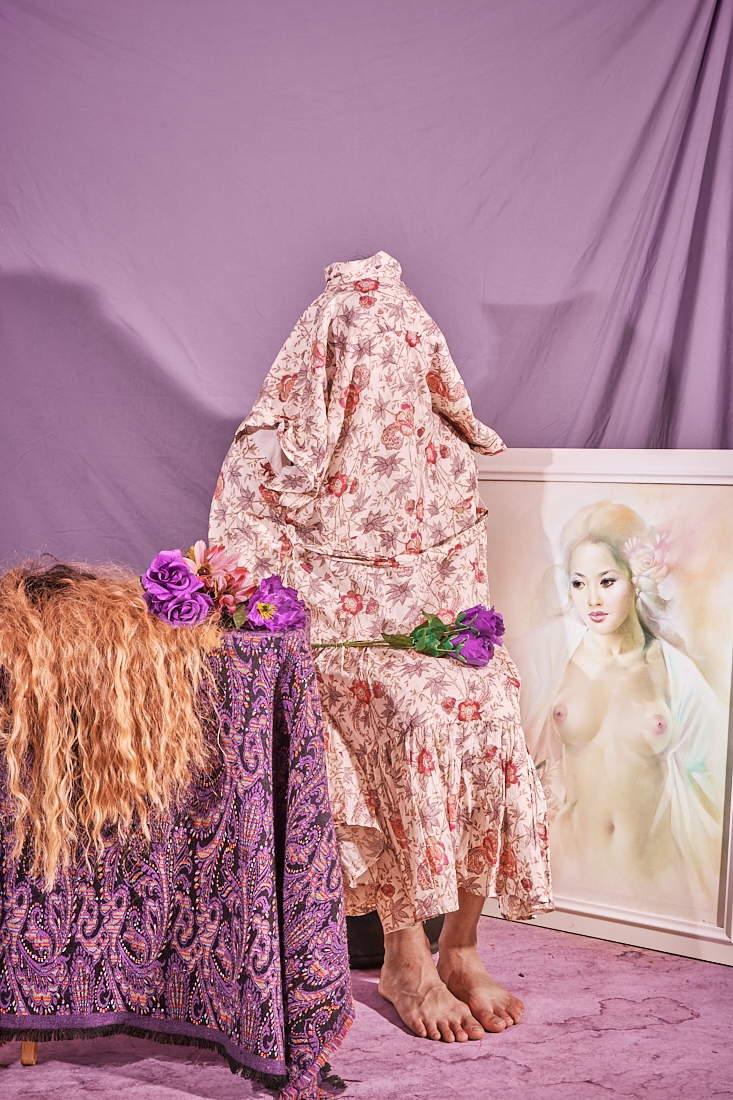
prev
next
These Are The Most Painful Ones
These Are The Most Painful Ones
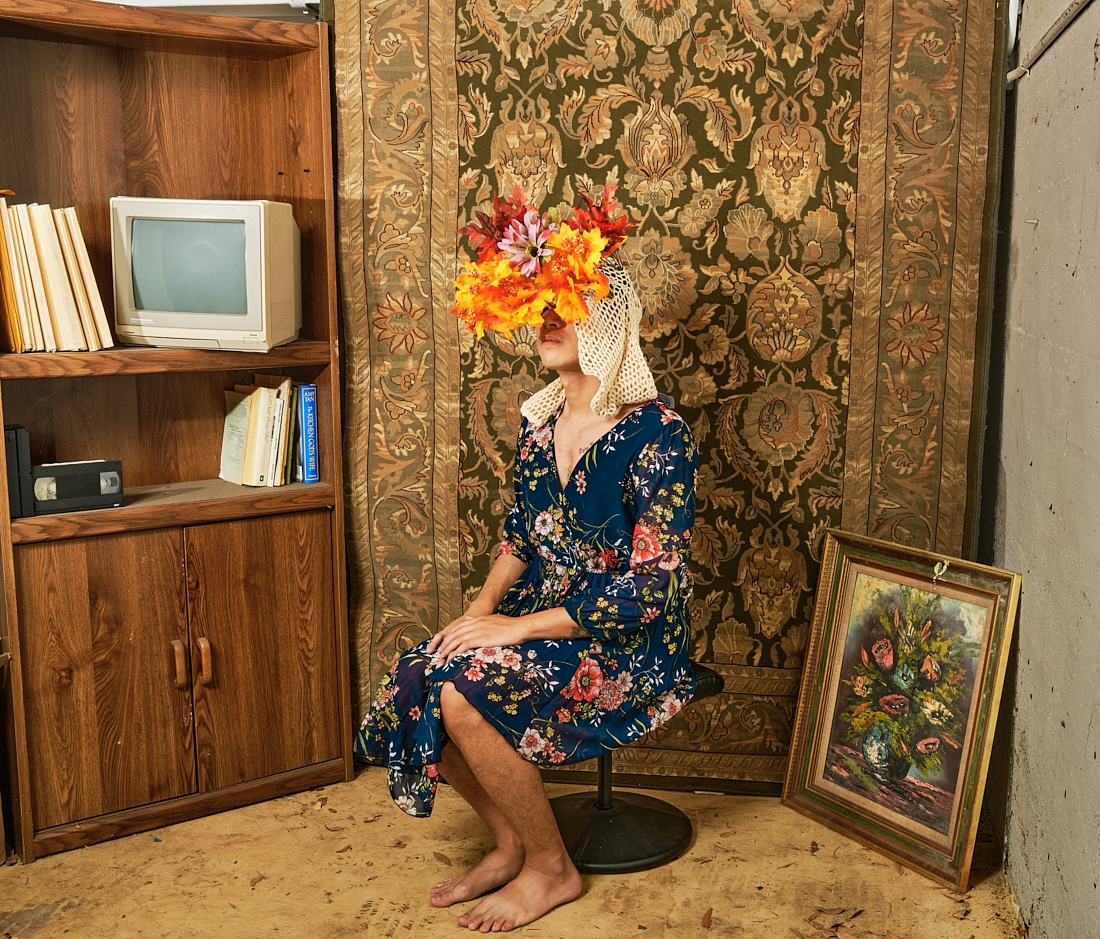
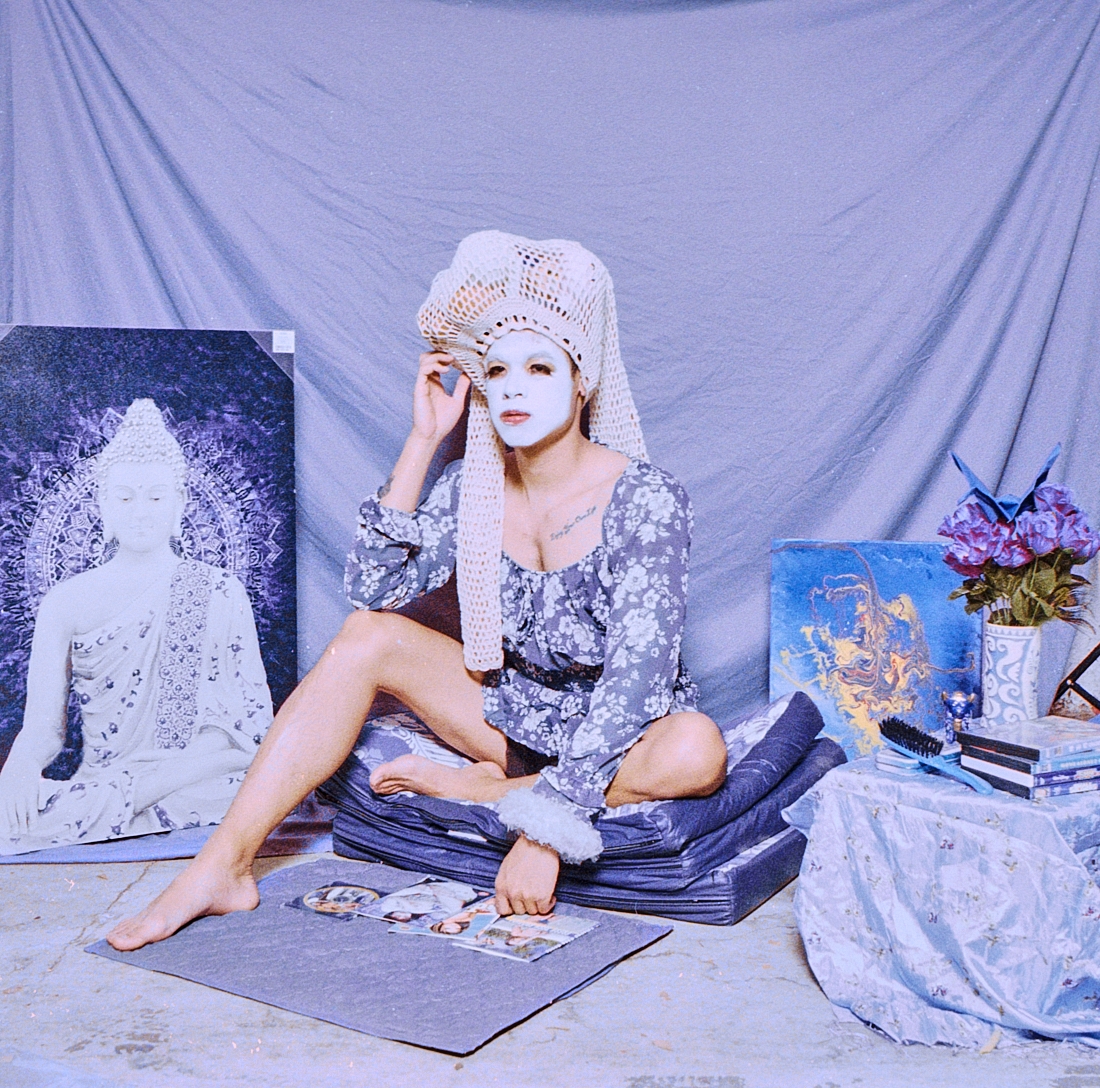
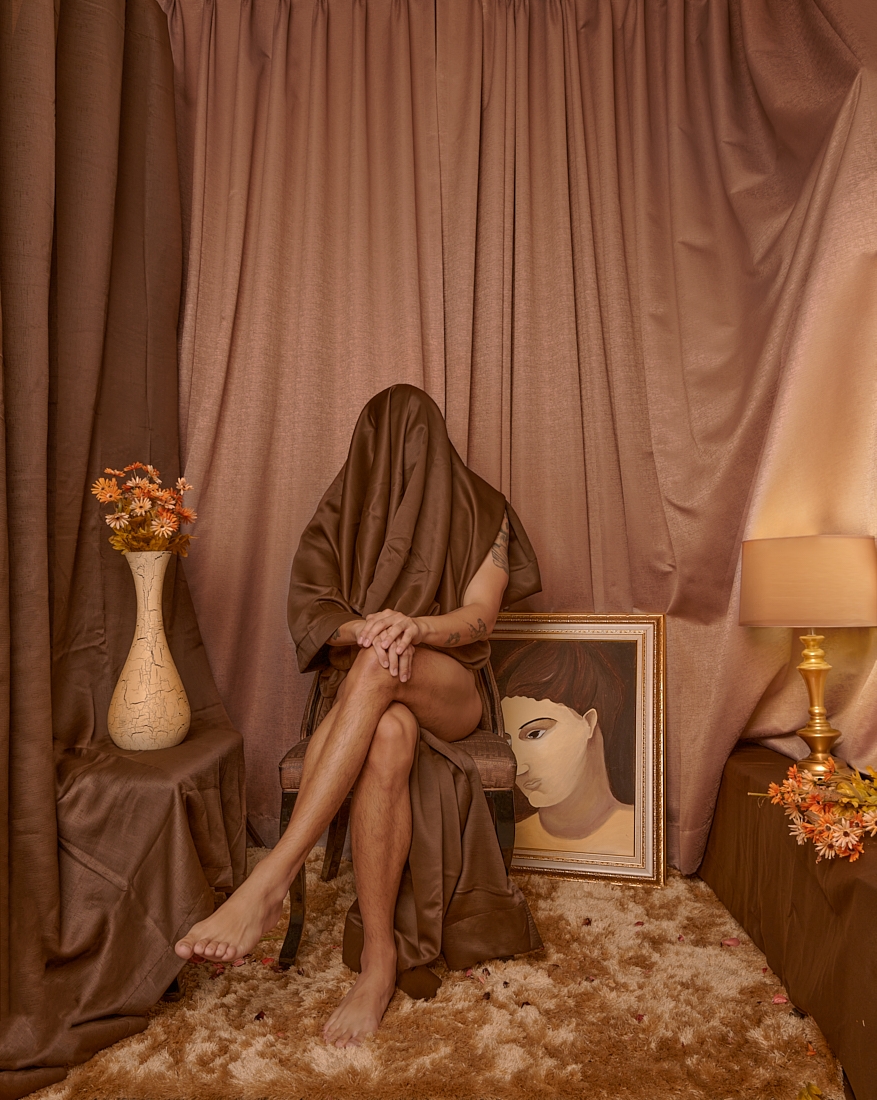
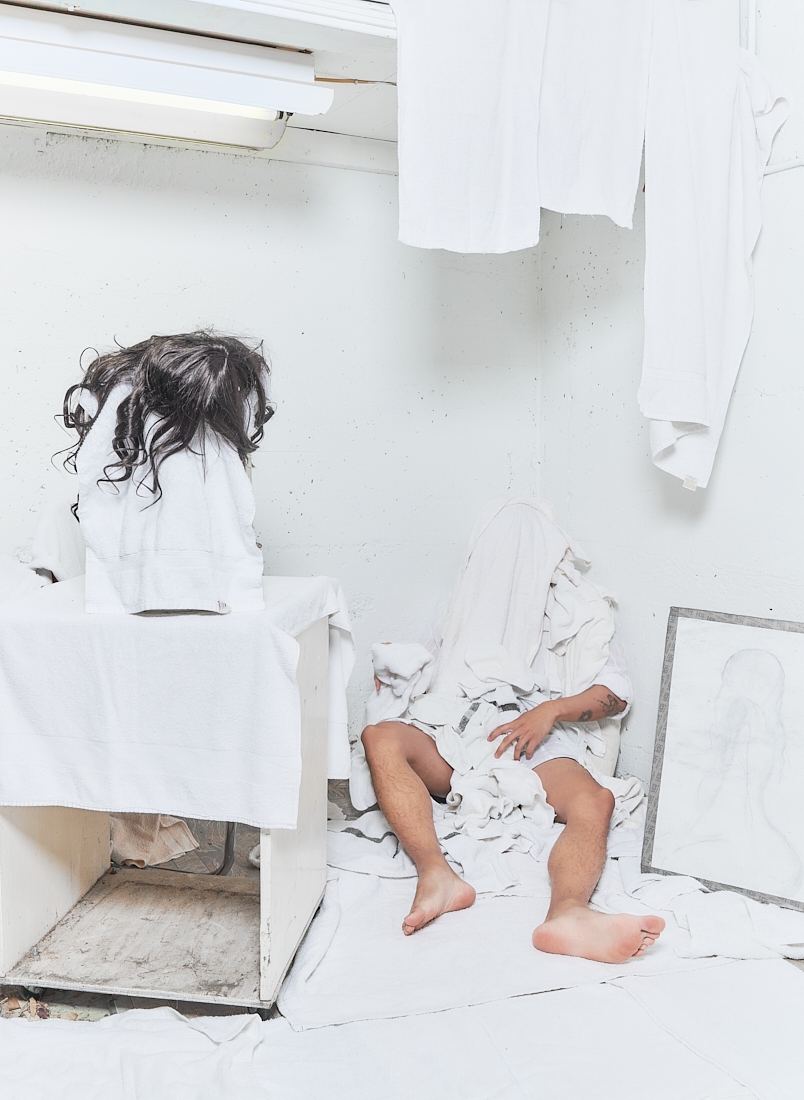
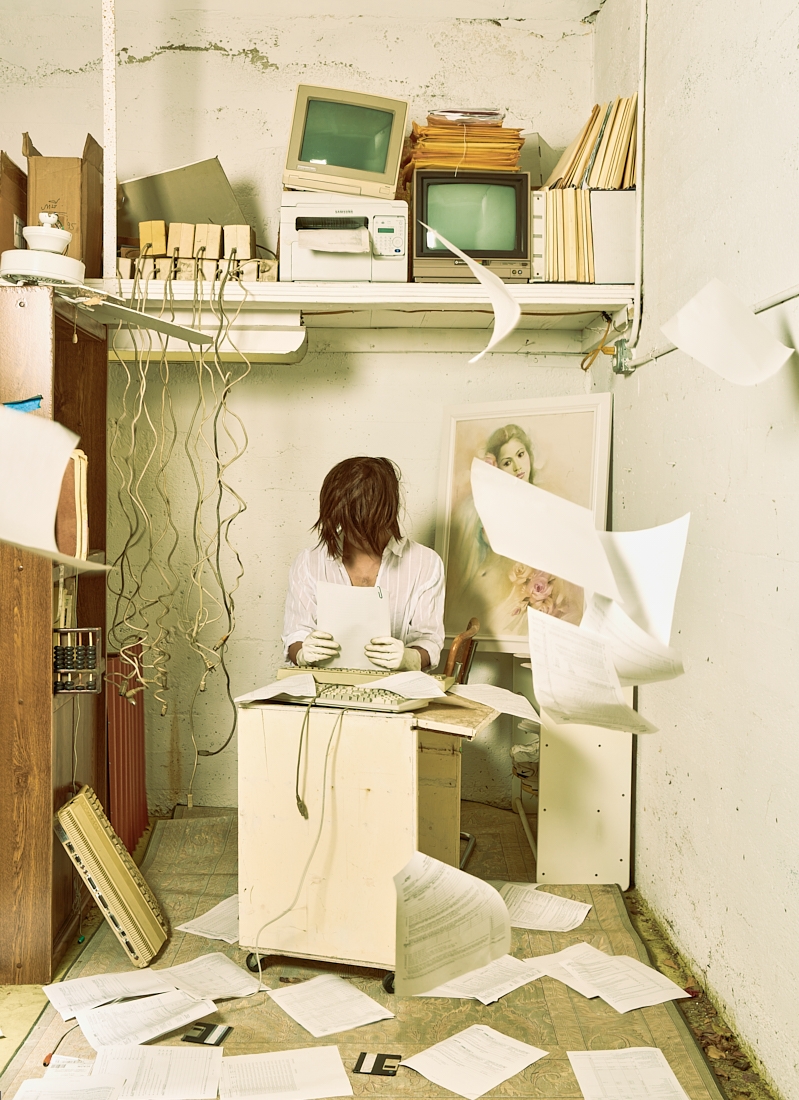
I was two years old, living in Thailand in 1997 when The Financial Crisis swept through Asia. My family was one of many who were faced with extreme financial hardship. Due to socio-economic reasons and other circumstances I did not yet understand, my parents decided to raise me as a girl. For almost ten years, whatever belonged to my sisters was passed on to me. I wore their clothes and played with their toys. I used to play and perform as their little princess, dress as a girl, while wearing make-up and wigs. These acts were completely normalized in my family and no other options were available to me at that time to express myself as a boy.
Growing up with my father’s Chinese influence, it was common and a tradition for parents to raise their sons as a girl in order to protect them from evil and superstition. An act that may seem reasonable and admirable in raising a healthy child, however, for me it played out quite differently. My protection was not the priority. Quite the opposite. I was not able to express myself for fear of punishment. My sisters were spoiled while I endured physical abuse from my parents. There was a clear, gender-based double standard – whether or not I did something wrong, I was the one who would be beaten because I was born a boy. It was very confusing as a child to be dressed as one gender, but held accountable to the harsh standards of another. Powerless in this decision that impacted my survival and my identity formation, I began questioning gender norms at a young age. As I grew up and began to compare myself to other boys, I started to see how different my childhood had been from theirs. To this day, I continue to be someone who questions gender binaries as I try to unpack my destabilizing history around gender trauma.
